How It Works Industries Proof Products Resources About Contact
Request an Assessment
Industries We Serve

Built for Industries That Can't Afford a Strike

If weather downtime, safety incidents, or equipment loss are unacceptable at your facility - DDCE charge dissipation technology was engineered for you. Site-specific prevention for the highest-exposure environments in the U.S.

Primary Focus - Active Deployment

Oil & Gas:
Ground Zero

The Permian Basin and surrounding production regions face some of the highest lightning exposure of any industrial sector in the U.S. Tank batteries, pump jacks, SWD wells, and flare stacks represent significant capital investment - and a single strike event can trigger fires, equipment failure, regulatory delays, and costly unplanned downtime.

DDCE technology reduces strike probability at the source, protecting your most critical assets before a storm ever reaches your facility. For oil and gas operators, this is proactive uptime protection - not reactive damage control.

~⅓
of all AST fires
attributed to lightning
>$100K
typical cost of a single
strike event on a battery
0
strikes on DDCE-protected
structures across field studies
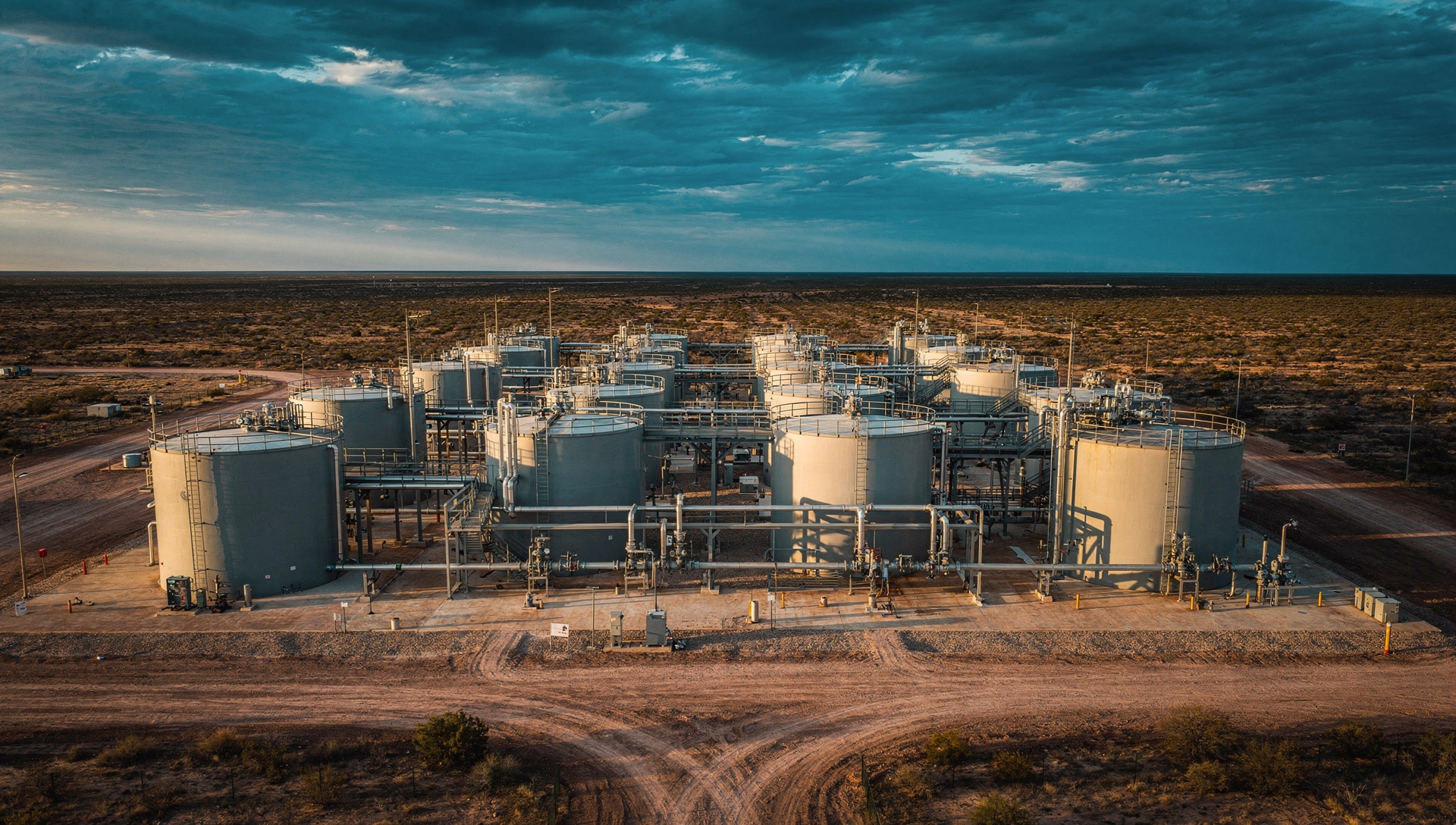
Tank Batteries
Tank Batteries & ASTs
High-value aboveground storage tanks in open terrain with maximum atmospheric exposure. Lightning is the documented leading cause of AST fires.
Critical Risk
Compressor Station
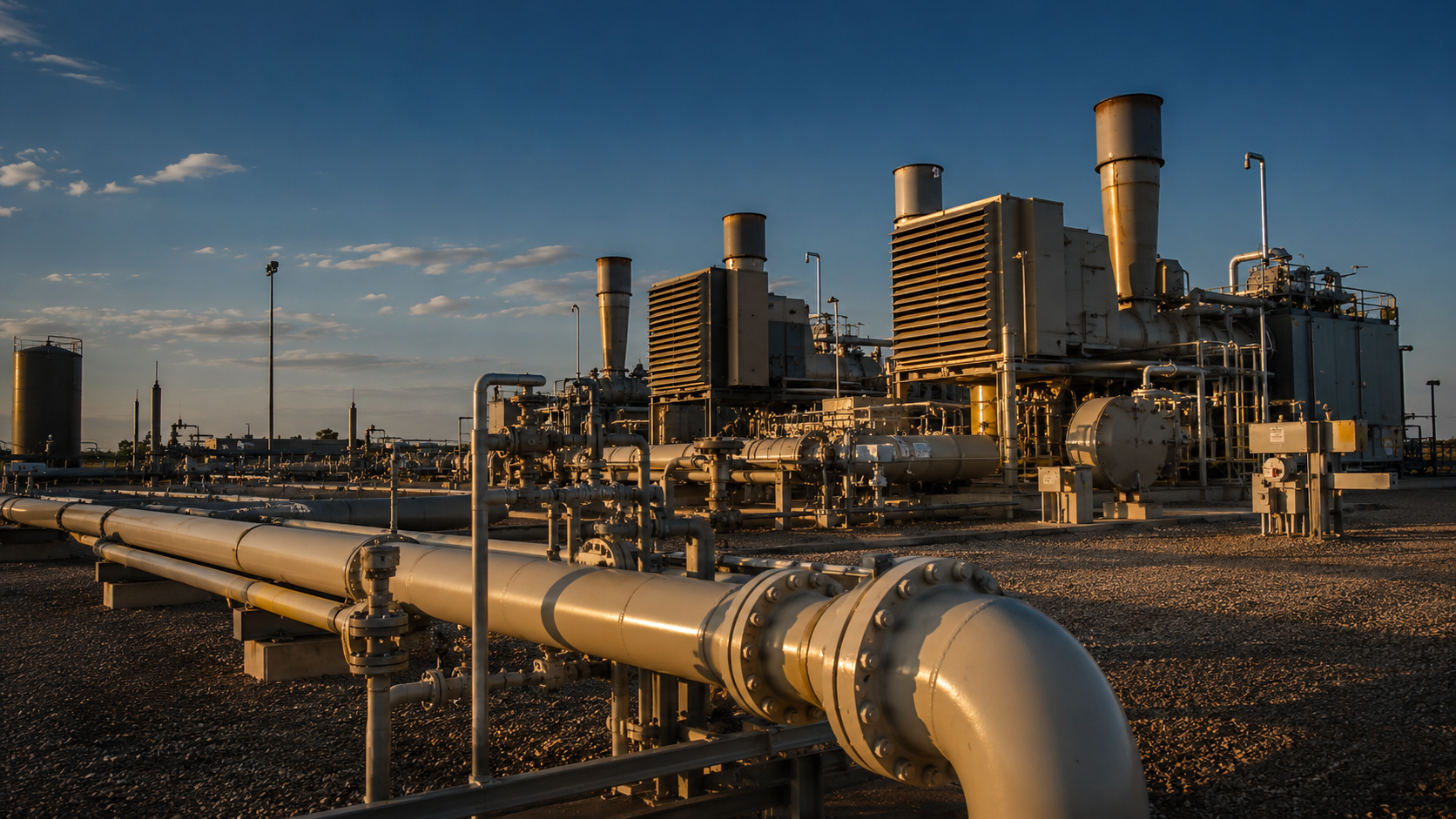
Compressor Stations
Natural gas compression and processing facilities with sensitive rotating equipment and complex piping infrastructure. Unplanned downtime from electrical damage carries significant operational and safety cost.
Critical Risk
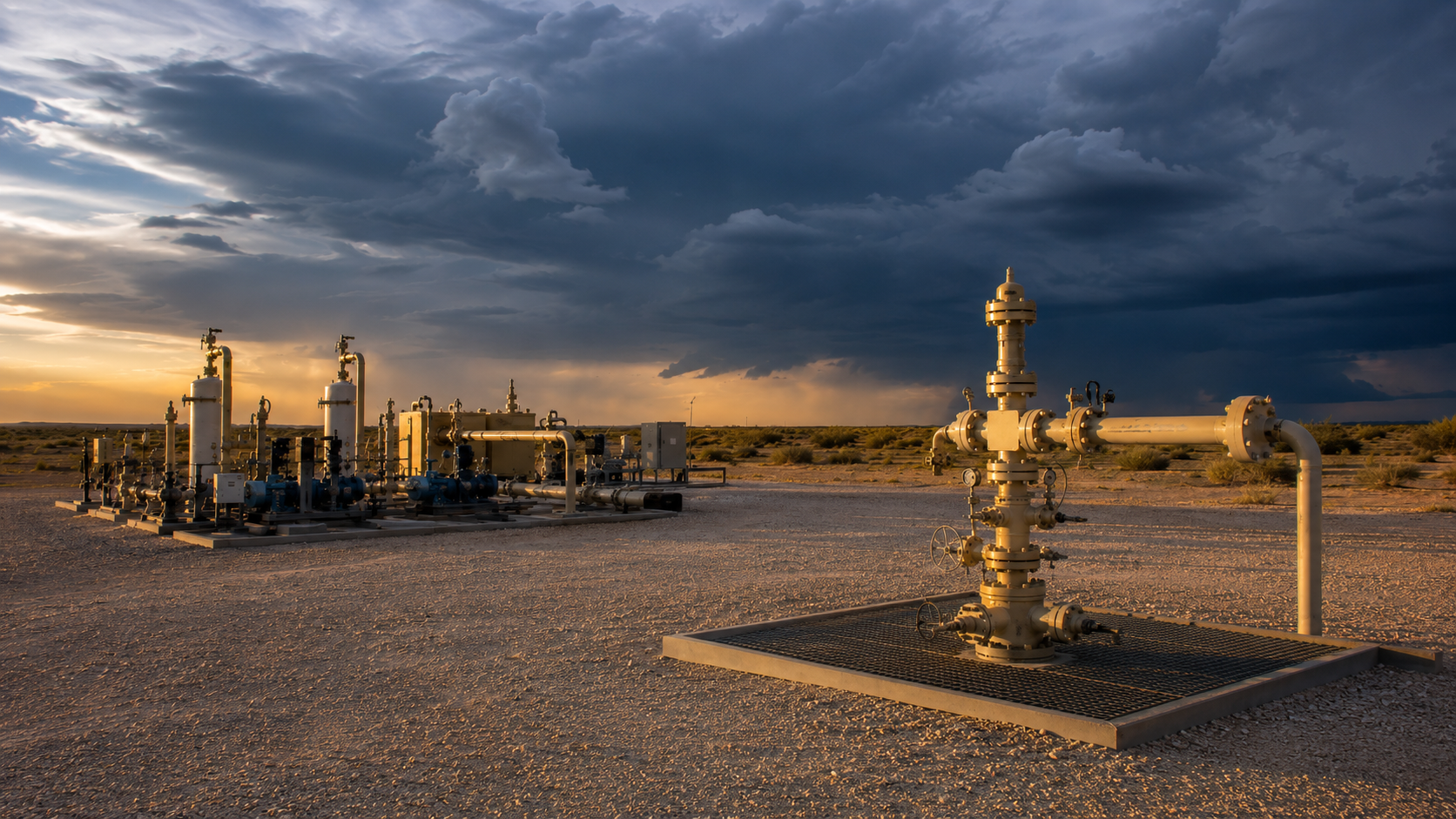
SWD Wells
SWD Wells & Facilities
Salt water disposal operations with sensitive downhole equipment and surface infrastructure. Unplanned shutdowns from electrical damage carry significant production and compliance impact.
High Risk
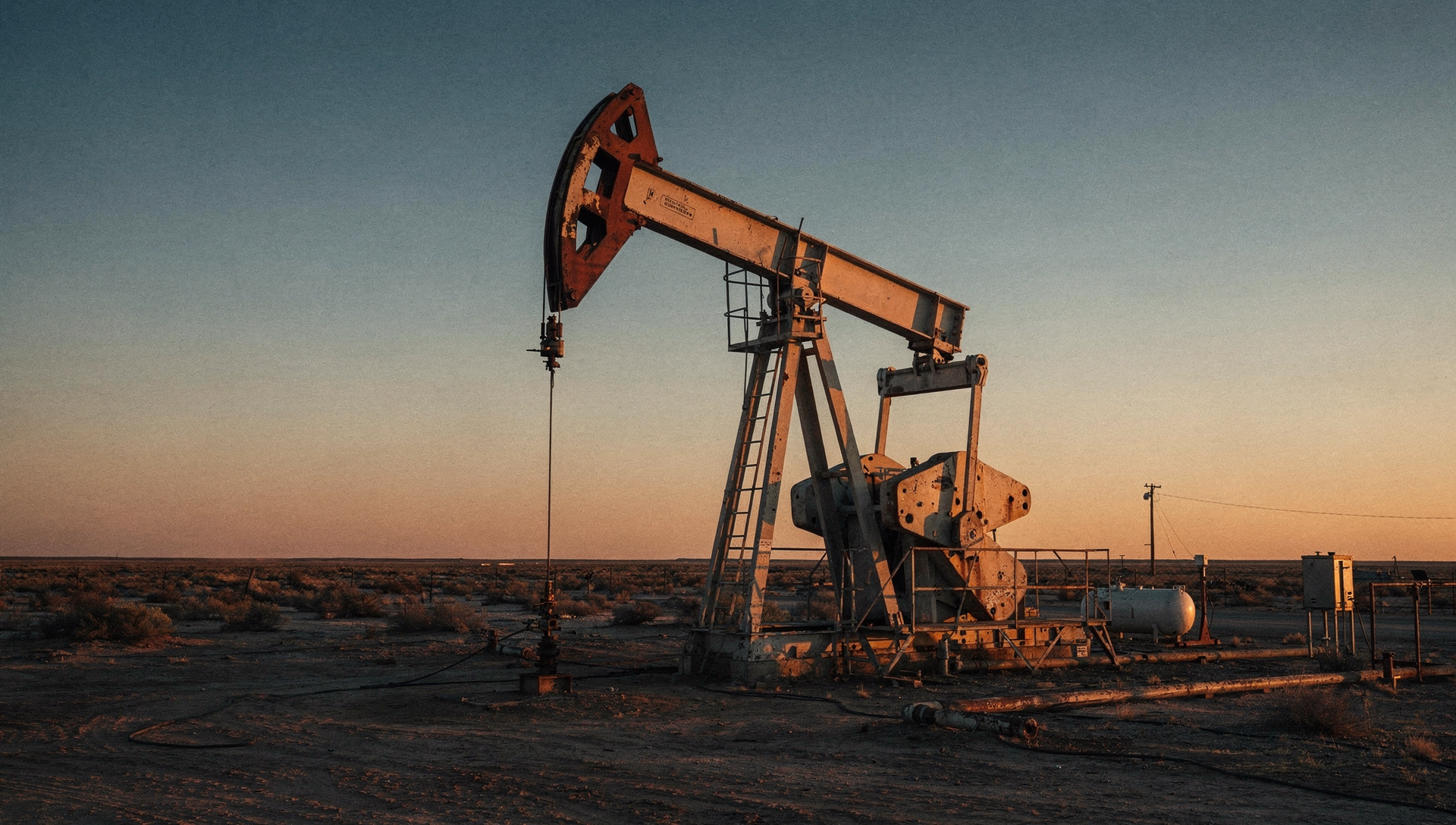
Pump Jacks
Pump Jacks & Wellheads
Remote, isolated structures across open basin terrain. High vertical metal with continuous electrical activity - exposed to direct strike risk with limited maintenance access.
High Risk
All Industries

Every Sector. One Technology.

DDCE charge dissipation technology is engineered for any operator managing infrastructure, assets, or personnel exposed to severe weather. The protection radius is configurable to your facility footprint.

📡 Active
Telecom & Utilities
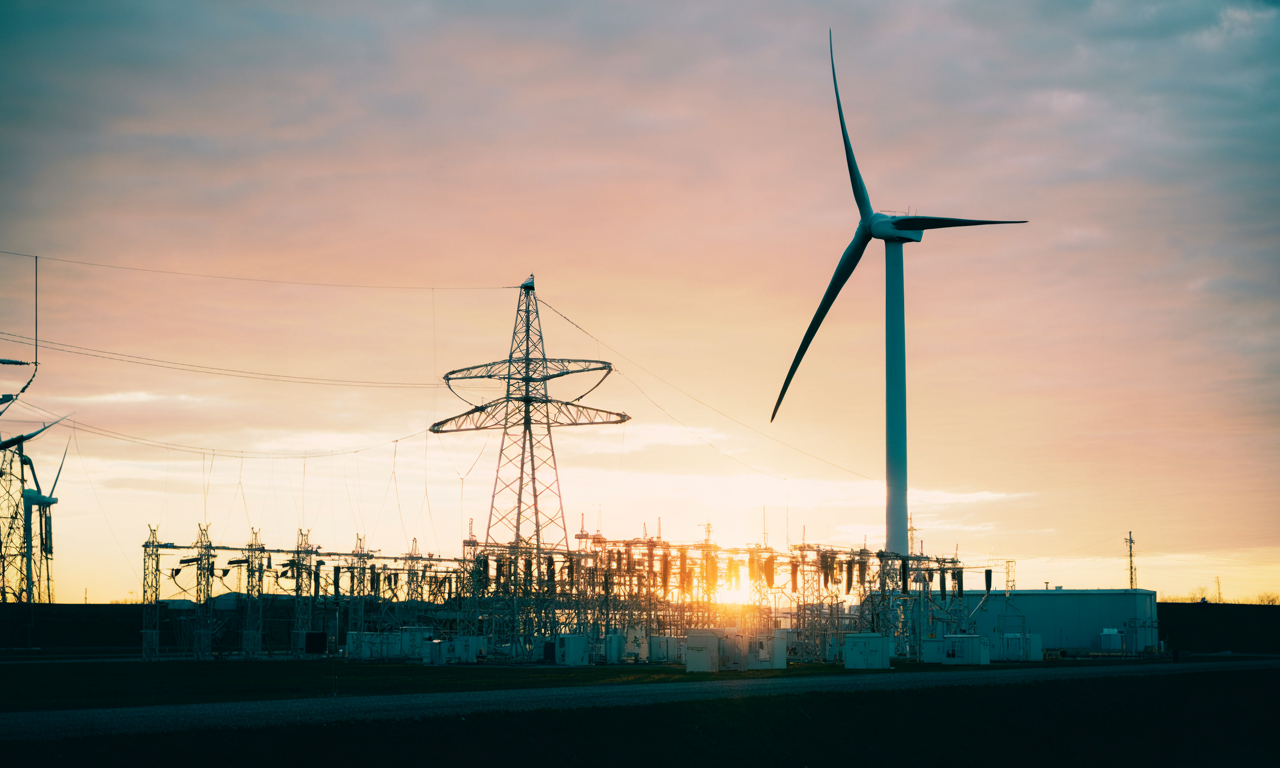
Cell towers, broadcast infrastructure, substations, and transmission lines. High vertical metal exposure makes these assets prime strike targets - and a single event can knock out service across entire regions.
  • Cell towers and broadcast structures
  • Electrical substations
  • Transmission and distribution lines
  • Remote repeater stations
  • SCADA and monitoring infrastructure
Get Telecom Assessment
🏗 Active
Construction & EPC
Active job sites, cranes, and steel structures mid-build create extreme lightning exposure. Weather shutdowns halt progress and compound schedule risk - DDCE keeps crews working safely and projects on timeline.
  • Active cranes and derrick structures
  • Open steel frame construction
  • Temporary site infrastructure
  • Personnel safety on open terrain
  • Equipment staging and laydown areas
Get Construction Assessment
🌊 Active
Water & Wastewater
Water towers, pump stations, and treatment facilities represent an underserved sector with significant near-term opportunity for DDCE deployment. Critical public infrastructure that cannot tolerate unplanned shutdowns.
  • Water towers and elevated storage
  • Pump stations and lift stations
  • Treatment facility infrastructure
  • Remote monitoring and control systems
  • Distribution network endpoints
Get Water Infrastructure Assessment
Expanding Markets

On the Near Horizon

Strikeout's DDCE deployment is expanding into new sectors where lightning exposure, uptime requirements, and asset value make prevention-first thinking essential.

Data Centers
Near Horizon
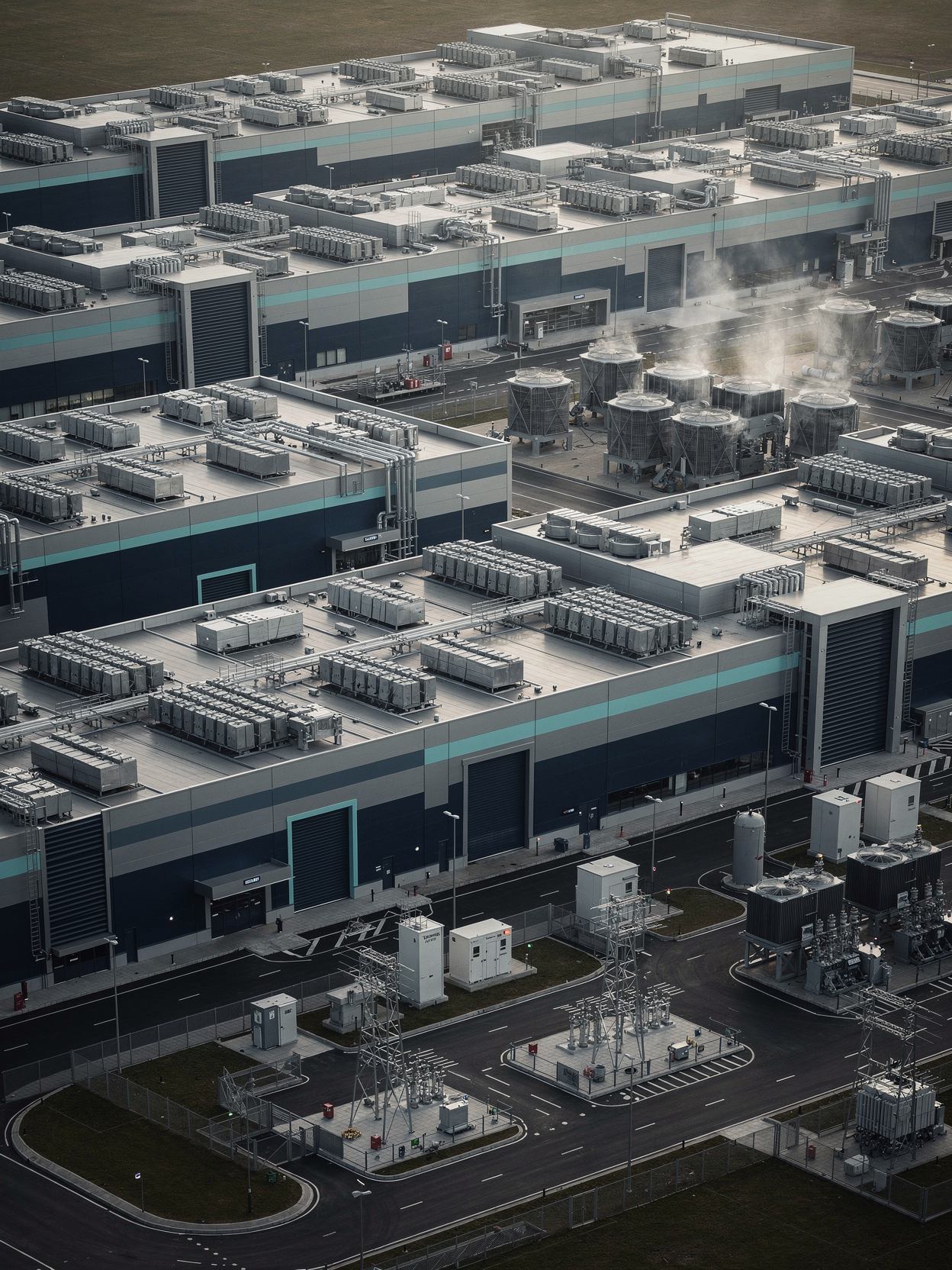
Data Centers
Continuous uptime is non-negotiable. A single strike event can cascade into catastrophic data loss and infrastructure failure. DDCE eliminates the atmospheric threat at the source - before it can interrupt operations or trigger redundancy failures.
Energy & Utilities
Near Horizon
Energy & Utilities
Wind farms, solar installations, substations, and transmission infrastructure carry continuous lightning exposure across large open footprints. DDCE provides site-specific prevention scaled to the asset layout.
Commercial & Institutional
Near Horizon
Commercial & Institutional
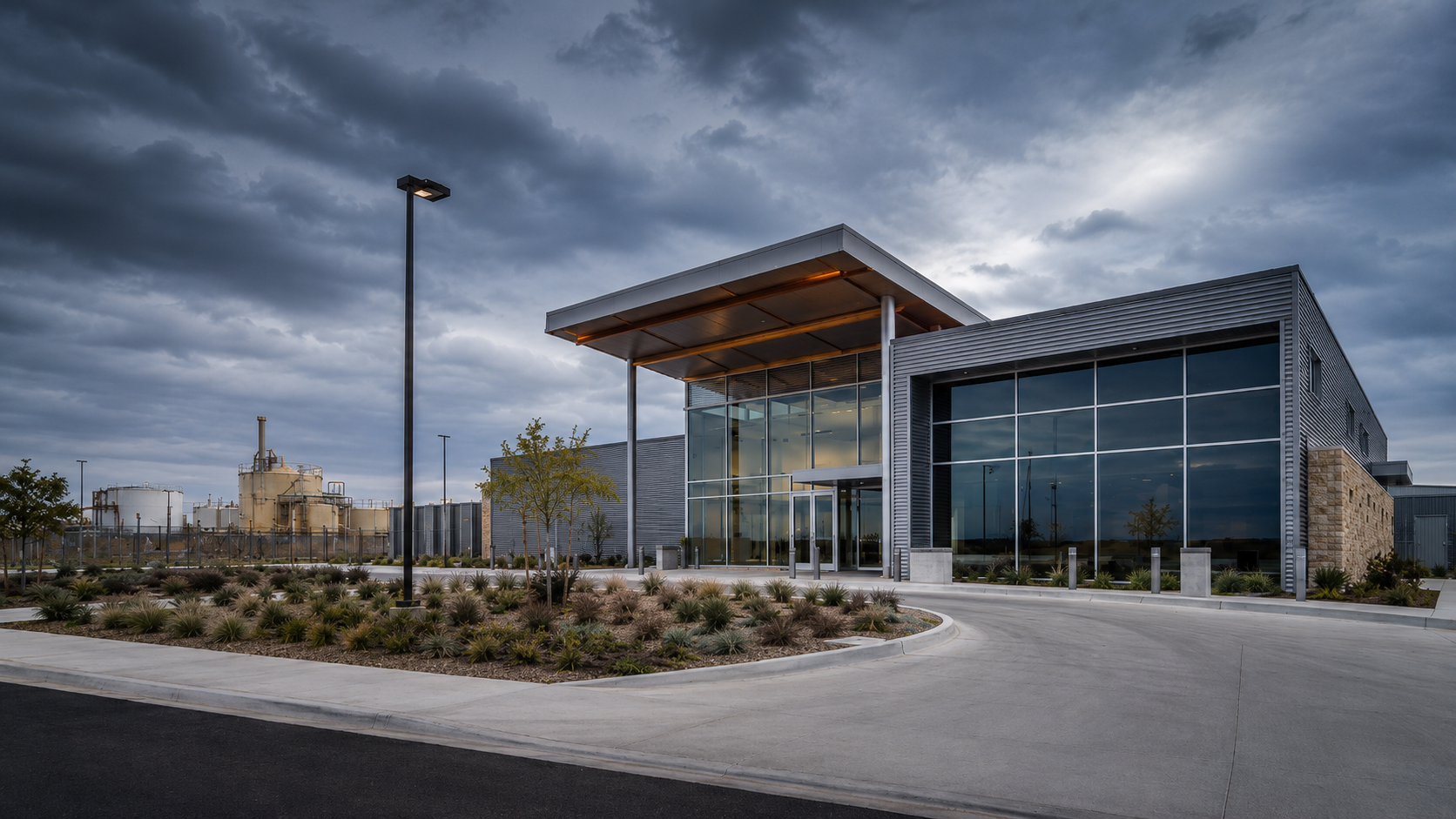
From commercial properties to high-value institutional campuses, DDCE technology brings engineered prevention to any structure where a strike is unacceptable. Airports, logistics hubs, manufacturing - if the structure can't go dark, DDCE belongs on it.
The Core Difference

Why Every Industry Needs
Prevention - Not Just Protection

Traditional Approach
Lightning Rods & Reactive Systems
  • Wait for a strike to form, then redirect current
  • Damage still occurs at point of impact
  • Operations halted - reactive emergency response
  • Equipment replacement, repair costs, downtime losses
  • Franklin rods can accumulate charge, attracting strikes
  • Electrostatic spark risk in flammable environments
DDCE Technology
Engineered Prevention at the Source
  • Continuously dissipates atmospheric charge before strike forms
  • No ascending tracer - no downward leader connection - no strike
  • Operations continue uninterrupted - zero downtime from prevented strikes
  • No damage to replace or repair - prevention eliminates the cost event
  • Internal charge compensation - zero sparks generated
  • 24/7 passive operation, no power required, 20-year product life

Your industry is covered.
Your facility assessment is next.

Every DDCE deployment starts with a site-specific evaluation - not a product catalog. We'll assess your exposure, identify your highest-risk assets, and recommend a configuration for your footprint.

Request an Assessment